NATMed at the “Rethinking the Futures of Mediterranean Land and Water” Event in Athens
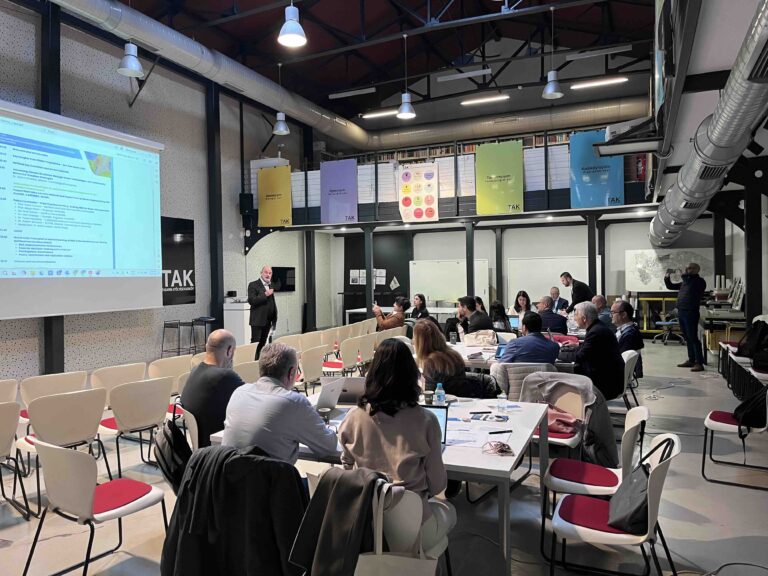
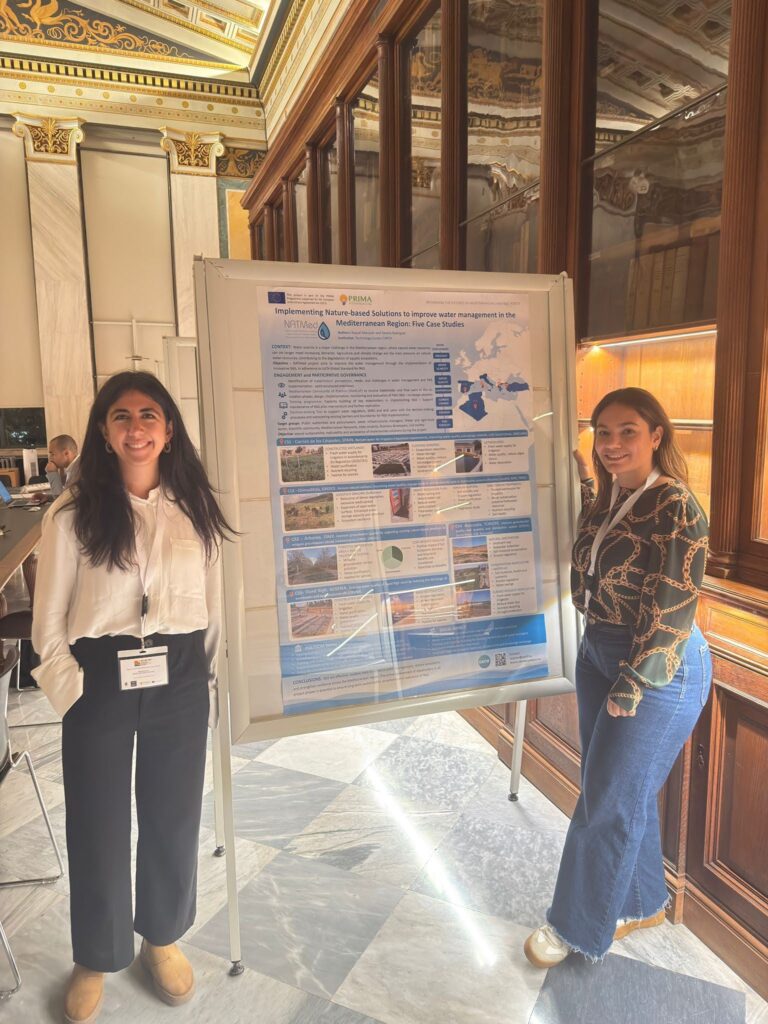
On Tuesday, 11 November 2025, the NATMed Project had the pleasure of participating in the event organized by our sister project SALAM-MED, titled “Rethinking the
NATMed is developing, implementing and validating a set of 12 NbS, combined into Full Water-Cycle – NbS (FWC-NbS), integrated into existing grey or natural water infrastructures and based on specific phases of the water cycle, for optimizing the provision of water-related ES (quality and quantity) and water-dependent ES (social, economic and environmental aspects), empowering stakeholders and local communities at the Mediterranean Region.

NATMed is an EU-funded project through the PRIMA Program aiming to develop, apply and validate a set of NbS integrated into existing grey and natural water infrastructures and based on specific phases of the water cycle, in order to optimize water-related and water dependent ecosystem services.
14
5
3
Apr 01 2023
Mar 31 2026
4.4M
partners
countries
years
duration
budget

On Tuesday, 11 November 2025, the NATMed Project had the pleasure of participating in the event organized by our sister project SALAM-MED, titled “Rethinking the

UNaLab & NatUR-W Projects On 30 October, the NATMed project hosted its third and final external webinar, organized by our partner DemirEnerji. NatUR-W and UNaLab

The NATMed consortium successfully held its 6th Periodic Meeting (PM6) in Florina, Greece, from October 21 to 23, hosted by the University of Western Macedonia

In September 2025, our partner CARTIF carried out field surveys at the CENTA facilities to evaluate plant species diversity at Case Study 1 Carrión de

On September 4, 2025, the NATMed project held its 2nd webinar, bringing together partners and experts to exchange knowledge and practical solutions for sustainable water

One of the 5 case studies of the NATMed project, Lake Chimaditida in Greece is getting support from nature itself! This beautiful wetland is part of
This project has received funding from the European Union’s PRIMA Research and innovation programme under Grant Agreement No 2221.